Comparing Natural Latex Mattress Options: Dunlop vs. Talalay
A clear, non-promotional guide to understanding the differences between Dunlop and Talalay latex in mattresses. This article explains how each process affects feel, durability, and suitability for different sleep preferences, with practical tips for your next purchase.
In the realm of sleep, few materials wear their personality as conspicuously as natural latex. The cushiony, buoyant feel of latex is a favorite among those who crave a responsive, supportive surface that adapts to movement without sacrificing bounce. Yet latex is not monolithic. It emerges from two distinct production processes—Dunlop and Talalay—each delivering a different texture, density, and behavior under pressure. When you’re choosing a mattress, understanding these nuances can be the difference between a night of predictable rest and a restless search for the right sleep surface.
This guide unpacks the essence of Dunlop and Talalay latex, translating science into style for readers who value clarity and credibility over hype. We’ll explore how each process shapes density, contour, temperature regulation, durability, and cost. Along the way, we’ll offer practical tips for selecting a latex mattress that aligns with your sleeping position, body weight, and personal comfort preferences—without leaning on brand-forward narratives.
What is natural latex, and why do two processes exist?
Natural latex is a sap-derived material used in mattresses to provide a living surface that can cushion, support, and adapt to your body. Unlike synthetic foams, natural latex retains a resilience that many sleepers associate with durability and a healthier feel. The two primary manufacturing methods—Dunlop and Talalay—originated in different times and places, and they create latex with inherently different characteristics.
Dunlop latex is the older, simpler method. The latex is poured into a mold, then cured, creating a denser, more supportive core with a tendency toward a uniform feel that can soften toward the surface. Talalay latex, by contrast, involves a more intricate process: repeated whipping of the latex to create a frothy consistency, partial vacuums to remove air, and a five-stage freezing and curing sequence that yields a lighter, more uniform cell structure. The resulting foam tends to be airier and more buoyant, with a distinct cloud-like quality that many sleepers describe as “spongy” or “bouncy.”
From a design perspective, these differences translate into how the mattress responds to weight, how quickly it contours to the body, and how heat dissipates through the surface. Whether you’re a side sleeper seeking gentle contouring, a back sleeper needing steady support, or a stomach sleeper prioritizing stability, the choice between Dunlop and Talalay latex shapes your sleep story in subtle but meaningful ways.
Density, feel, and contour: how the processes shape your lounge-worthy night
Density refers to how heavy or firm the latex feels at a given thickness. Dunlop latex tends to yield a denser, more grounded feel, which some sleepers interpret as a firmer baseline with a softer surface. Talalay latex typically feels lighter and more buoyant, with a pronounced ability to cradle pressure points while maintaining a sense of lift. The contrast is not merely tactile; it also influences how the mattress responds to different sleeping positions and how it ages over time.
For side sleepers, a middle ground that cushions shoulders and hips while preventing excess bending can be ideal. Talalay can deliver that airy cushioning with generous contour, while Dunlop might offer a more stable, durable base with soothing surface softness. Back sleepers often benefit from a balanced feel that preserves spinal alignment; a well-made Dunlop layer can provide steady support, with Talalay layers layering in responsive bounce. Stomach sleepers who need a firmer top surface to reduce midsection sag may lean toward a denser Dunlop configuration for a crisp, supportive feel.
In practice, many latex mattresses blend layers of both processes. A common approach is to place a softer Talalay comfort layer atop a denser Dunlop core, achieving a layered experience that combines contour, lift, and durability. The result is a mattress that feels equally at home in sophisticated sleep suites and modern, minimal bedrooms—without sacrificing the hallmark benefits of latex: resilience, long service life, and a tactile, breathable surface.
Temperature regulation and breathability: does process matter?
Latex is inherently breathable due to its porous cell structure. Talalay’s uniform, open-cell matrix can contribute to a lighter surface that feels cooler on warm nights, particularly when paired with breathable covers and appropriate airflow in the mattress design. Dunlop, being somewhat denser, can retain more heat if used as the core without sufficient air channels. However, both processes can be optimized with modern cover materials, ventilation channels, and zoned support—elements that independent brands frequently emphasize to manage temperature.
If you tend to sleep hot, prioritize latex with an airy feel, a well-ventilated zip cover, and a mattress design that channels air through the surface. If you sleep cooler naturally or prefer a more compact heat profile, you might opt for a structured Dunlop layer at the core with breathable, moisture-wicking covers to maintain comfortable temperature levels year-round.
Durability, longevity, and response to wear
Natural latex is celebrated for its durability. A high-quality Dunlop layer, due to its denser composition, generally offers robust resistance to body impressions, which can translate into a longer lifespan for the mattress core. Talalay latex, with its lighter, more uniform cells, still lasts well but may show wear patterns differently over time as the surface contours adapt to weight distribution. The key for longevity is not just the process but the overall construction: thickness of latex layers, number of comfort layers, the quality of the outer cover, and how the entire mattress is assembled.
Manufacturers often specify the density of latex in pounds per cubic foot (lb/ft³) and the total height of the latex layer. A thicker latex composition generally contributes to a longer-lasting surface that maintains support and contour. It is also worth noting that natural latex tends to retain its shape better than many synthetic foams, which can compress more quickly with daily use.
Cost considerations: value beyond price tag
In the marketplace, Talalay latex tends to carry a premium due to its more complex production process, the precision needed to produce the foam, and its lucre-factor in retail environments. Dunlop latex, while often more affordable, does not sacrifice fundamental quality. For many shoppers, the choice boils down to how the feel and durability align with personal preference and budget. A well-constructed Dunlop core with a Talalay comfort layer can offer a compelling balance of cost and performance, while an all-Latex bed using a premium Talalay core can deliver a lighter, cloud-like sensation with lasting resilience.
When evaluating cost, consider the total package: the latex layer(s), layer thickness, cover materials, and any special features like temperature-regulating textiles or zoned support. The goal is not to chase the most expensive option but to select a surface that harmonizes with your sleep style and room environment for years to come.
Practical buying tips: how to test and compare
- Test multiple configurations: if possible, lie on mattresses that feature both Dunlop and Talalay layers, or hybrids that let you feel a layered approach.
- Assess the top layer: surface feel matters. A Talalay comfort layer often provides buoyant, breathable contouring, while a Dunlop core offers grounded support. When layered, the immediate surface feel should be evaluated first, then consider pressure relief across shoulders and hips.
- Consider body type and sleeping position: side sleepers may prefer a softer, more contouring Talalay top with a supportive Dunlop base, whereas back sleepers might opt for a more uniform feel that preserves spinal alignment over a full night.
- Check for certification: look for natural latex certifications that reflect responsibly sourced materials and safe manufacturing processes. Additionally, inquire about the wool or cotton covers used in the mattress for added comfort and temperature regulation.
- Evaluate warranty and return policy: latex mattresses are long-term investments. A robust warranty paired with a fair return policy provides peace of mind if the surface does not perform as expected for your sleep profile.
Brand-agnostic comparisons: what you might see in the market
Across reputable brands, Dunlop and Talalay latex are often presented with careful varietals of density, thickness, and configuration. Here is a schematic snapshot you might encounter when perusing options:
- Dunlop latex: Denser core, often described as offering a firmer baseline with a softer top; typically robust for long-term support and less prone to premature compression.
- Talalay latex: Lighter, more buoyant feel with even cell structure; excels at contouring and cooling surfaces; can be more susceptible to wear at the very surface if not properly layered or covered.
- Hybrid constructions: Layering Talalay comfort layers over a Dunlop core is a popular approach to balance contour, lift, and durability, while maintaining a reasonable price point.
When reading product descriptions, keep an eye on the total height, the distribution of latex between layers, and the cover’s composition. A well-made bed with both processes harmonized can deliver a sleep experience that blends avant-garde comfort with timeless reliability.
Closing reflections: crafting your sleep narrative
The choice between Dunlop and Talalay latex is more than a matter of texture; it is a dialogue with your body. It is about the way a surface supports your spine, how it breathes on a hot night, and how it holds up as the years pass. In the world of luxury bedding, latex remains a benchmark of thoughtful design—where science and sensibility meet to create a sleep experience that feels almost couture in its balance of comfort, function, and longevity.
If you’re seeking a reliable, evergreen reference on mattress materials, natural latex deserves your attention. Understanding Dunlop and Talalay helps you move beyond labeling and into a deeper appreciation for how a mattress can cradle you through countless nights. In the end, the right choice is the one that makes you wake up lighter, more rested, and ready to face the day with ease.
Related resources and a note on findable products
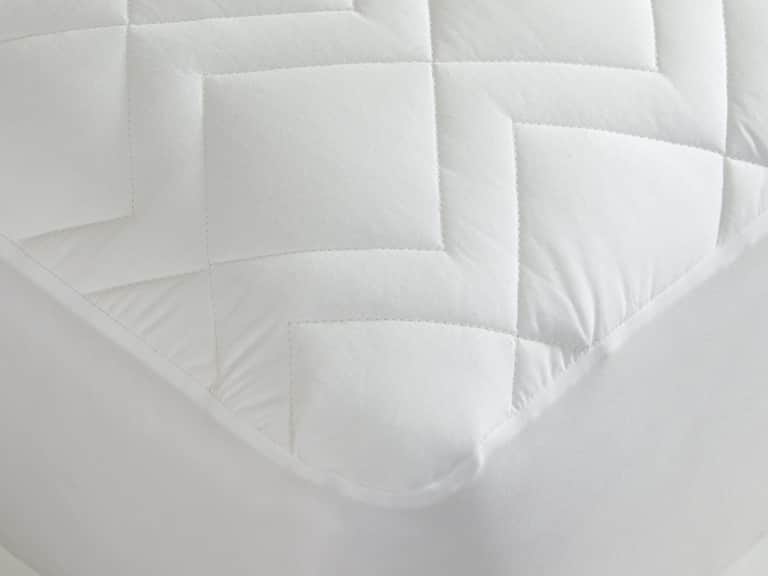
For readers exploring our curated collection, a practical example that aligns with the article’s themes is the Downtown Company Waterproof Quilted Mattress Pad. While this product is designed as a protective layer, its emphasis on a breathable, 100% cotton surface and a tailored, deep-fit design reflects the same care and craftsmanship that underpins high-quality latex constructions: a focus on comfort, longevity, and the sensory experience of your sleep surface. If you’re shopping, consider how this pad might complement a latex mattress by protecting the surface while maintaining a clean, breathable feel. You can learn more about this product in our shop:
- DownTown Company Waterproof Quilted Mattress Pad — a refined protector with whisper-quiet operation and moisture-wicking 100% cotton.
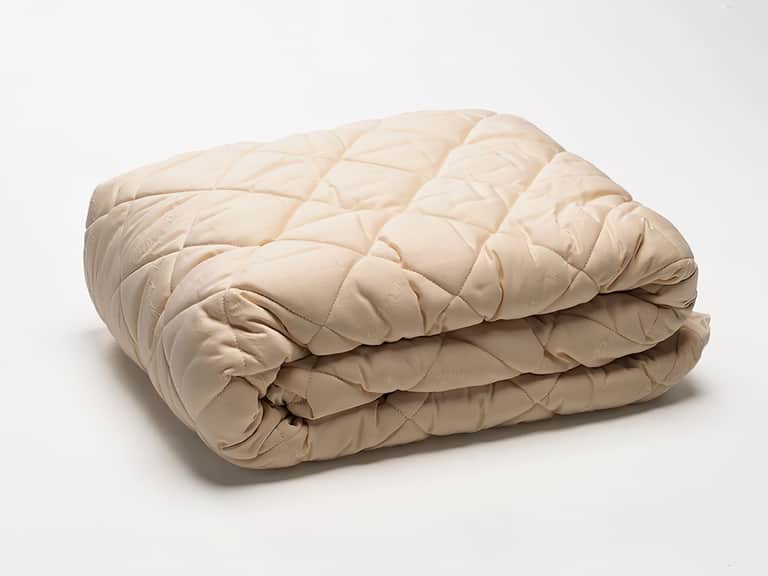
- Suite Sleep Washable Wool Mattress Pad — a luxurious wool surface with organic cotton and machine-washable convenience.
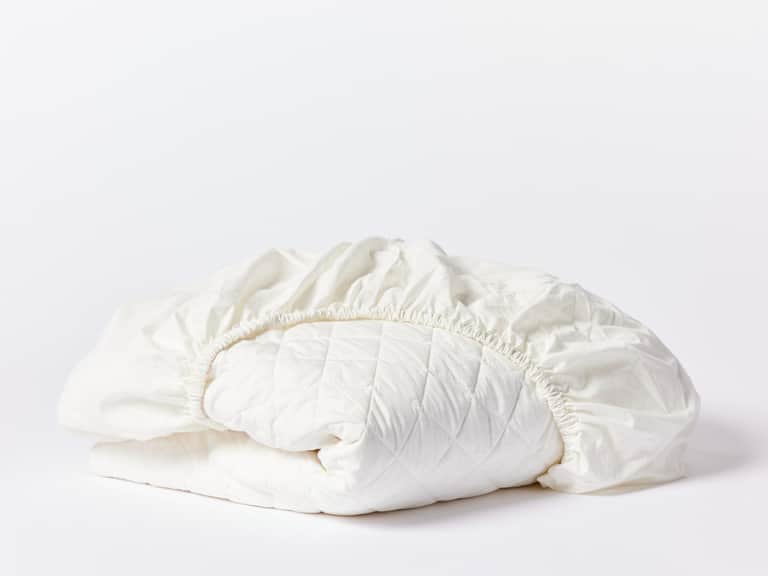
- Organic Cotton Mattress Pad — a plant-forward alternative offering breathable, certified organic materials.
Meta and accessibility notes
This article prioritizes clarity and editorial tone while remaining informative and non-promotional. It references established concepts in latex technology and consumer mattress design without relying on testimonials or invented quotes. For accessibility, the page uses semantic HTML headings, descriptive sectioning, and visually distinct hierarchy to support screen readers and keyboard navigation. If you’re reading this on a mobile device, the typography and spacing have been adjusted to preserve readability and a sophisticated editorial rhythm.